
The human brain has long been a source of inspiration for artificial intelligence, particularly neural networks. Both systems share structural and functional similarities, yet their differences highlight the incredible complexity of the human mind and the potential for AI advancements.
Structural Foundations
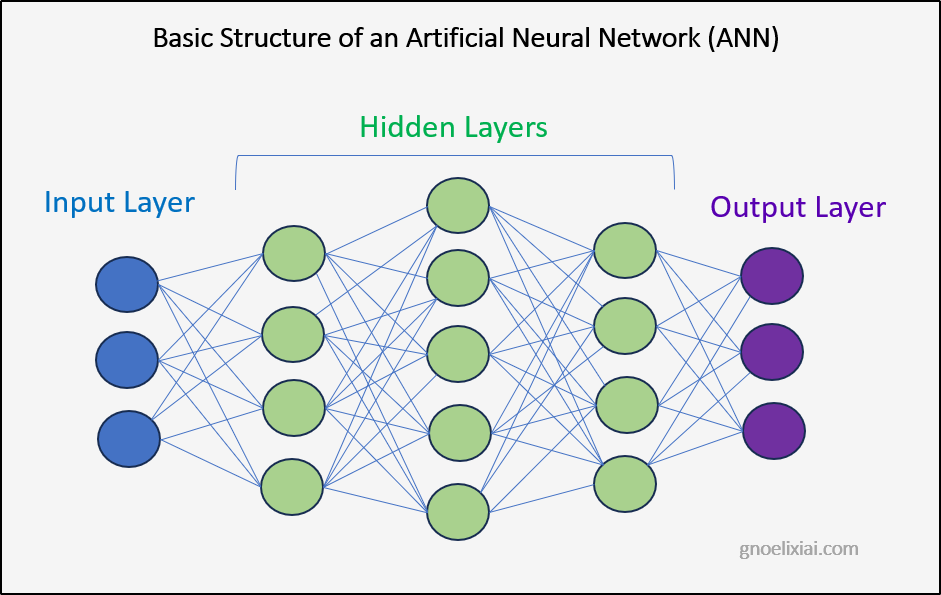
The brain contains billions of neurons interconnected by synapses, forming a highly intricate network. Neural networks, on the other hand, are built on artificial neurons (nodes) connected by weighted edges, mimicking this biological structure. This foundational design enables both systems to process and extract patterns from input data.
Layers and Learning
In both systems, hierarchical layers play a key role. The brain processes sensory information hierarchically, while neural networks rely on input, hidden, and output layers for pattern extraction. Learning in the brain occurs through synaptic plasticity, adapting based on experience. Similarly, neural networks adjust weights via optimization algorithms, improving over time through iterative learning processes like recognizing specific features of an image.
Strengths and Challenges
The brain’s unmatched adaptability allows it to reroute functions after injuries, showcasing superior robustness compared to neural networks, which are robust to noise and missing data but less adaptive. Both systems excel in tasks like pattern recognition and multitasking, leveraging parallel processing to handle vast amounts of information.
The Path Forward
While neural networks are mathematical models requiring extensive datasets, the brain learns flexibly and integrates emotional and sensory inputs seamlessly. These distinctions emphasize areas for technological improvement and underscore the ongoing inspiration drawn from neuroscience.
Explore this fascinating comparison further in my YouTube video, “Human Brain vs. Neural Networks: A Comparison from a Technological Perspective”, and deepen your understanding of AI fundamentals with my course, “AI Essentials: A Beginner’s Guide to Artificial Intelligence”.
Read Also:
- Select Foundational Python Data Structures for AI-Driven Applications
- Advancing My Expertise in AI: Earning the CAIEC Certification
- Achieving the CAIPC Certification: Advancing My AI Expertise
- Understanding Artificial Intelligence: A Human-Centric Overview
- Addressing AI Risks: Achieving the AI Risk Management Professional Certification
- Mastering Scaled Scrum: Earning the Scaled Scrum Professional Certification
- Strengthening Agile Leadership: Achieving the Scrum Master Professional Certificate
- Advancing My Expertise in AI: Earning the CAIEC Certification
- Achieving the CAIPC Certification: Advancing My AI Expertise
Subscribe to the GnoelixiAI Hub newsletter on LinkedIn and stay up to date with the latest AI news and trends.
Subscribe to my YouTube channel.
Reference: aartemiou.com (https://www.aartemiou.com)
© Artemakis Artemiou
Rate this article:  (1 votes, average: 5.00 out of 5)
 Loading...

Artemakis Artemiou is a seasoned Senior Database and AI/Automation Architect with over 20 years of expertise in the IT industry. As a Certified Database, Cloud, and AI professional, he has been recognized as a thought leader, earning the prestigious Microsoft Data Platform MVP title for nine consecutive years (2009-2018). Driven by a passion for simplifying complex topics, Artemakis shares his expertise through articles, online courses, and speaking engagements. He empowers professionals around the globe to excel in Databases, Cloud, AI, Automation, and Software Development. Committed to innovation and education, Artemakis strives to make technology accessible and impactful for everyone.